Sri Lanka is a small island with an outsized range of landscapes, from palm-fringed beaches and ancient stone cities to cloud-wrapped mountains and untamed jungle. Whichever corner of the island calls to you, each destination has its own rhythm, climate and best season to visit, so you can time your journey to see it at its finest.


Hikkaduwa is a buzzing south-coast town that pairs a protected coral reef sanctuary with beginner-friendly surf and nightlife rare elsewhere on the island. Glass-bottom boat tours reveal turtles and reef fish off the beach, while a lively strip of bars and restaurants keeps the energy going after dark. It suits travellers wanting activity with their beach time.
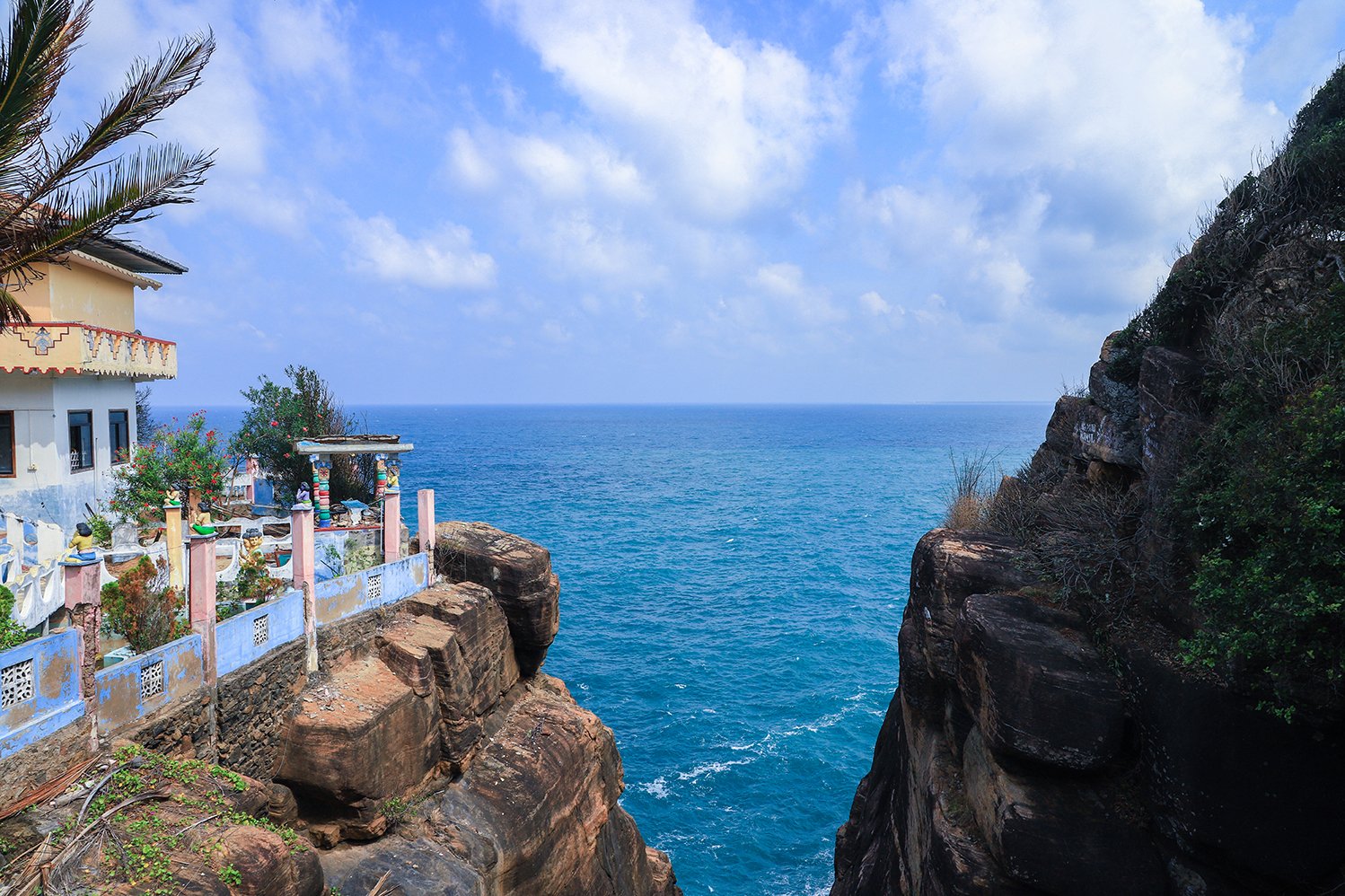
Trincomalee is a historic natural harbour town on the east coast, long prized by traders and navies for one of the finest deep-water ports in the region. Beautiful beaches line its shores, whale watching boats depart in season, and the clifftop Koneswaram Temple crowns Swami Rock with sweeping views. History and coastal beauty meet closely here.

Nilaveli is a pristine east-coast beach near Trincomalee, celebrated for calm, turquoise water and some of the clearest snorkelling conditions on the island. Coral gardens sit just offshore, while a short boat ride reaches Pigeon Island’s marine sanctuary, home to reef sharks and colourful fish. Long, uncrowded sands make it an easy east-coast retreat.

Tangalle is a quieter stretch of Sri Lanka’s deep south, shaped by rock coves, hidden bays and long, near-empty sand. Sea turtles nest along several beaches between dusk and dawn, drawing visitors for guided night watches. A handful of low-key boutique retreats cater to travellers seeking privacy over crowds, far from busier resort towns.

Kalpitiya is a remote peninsula of lagoons, dunes and open ocean, apart from Sri Lanka’s busier coastal circuits. Strong, steady winds have made it the island’s premier kitesurfing destination, while its calm inner lagoon suits beginners. Dolphin-watching excursions launch at dawn, and the wind-swept landscape offers an adventurous alternative to the south coast.

Mirissa is a crescent-shaped beach famed for some of the world’s most reliable whale watching, with blue whales and sperm whales spotted just offshore. Gentle surf breaks suit beginners, while a laid-back cafe scene overlooks the palm-fringed Coconut Tree Hill at sunset. Its relaxed pace and postcard views make it a favourite south-coast stop.
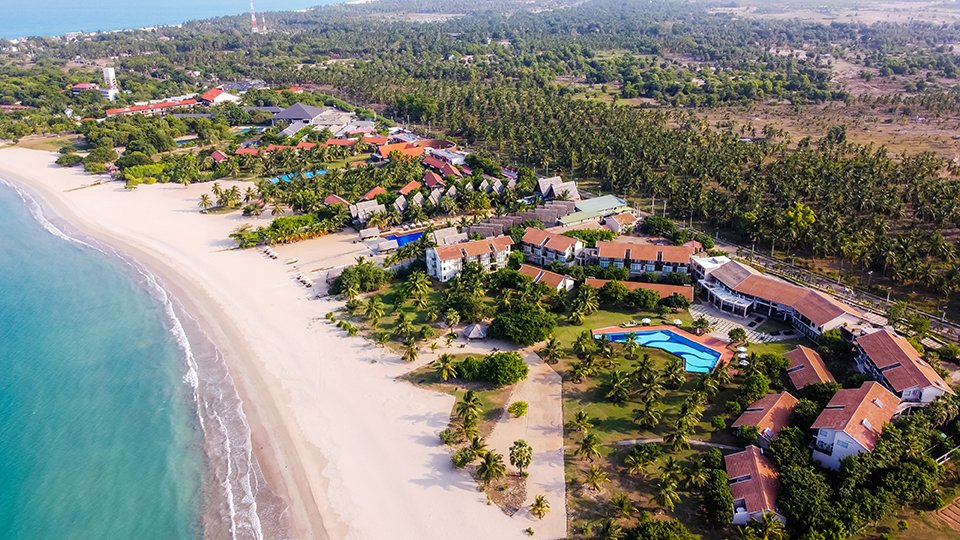
Pasikuda is a sheltered, shallow east-coast bay lined with resorts, prized for calm, swimmable waters stretching far from shore. Long stretches of quiet sand invite unhurried beach days, while the gentle sea makes it a favourite for families with young children. Snorkelling trips and coral reef visits add variety to the relaxed setting.
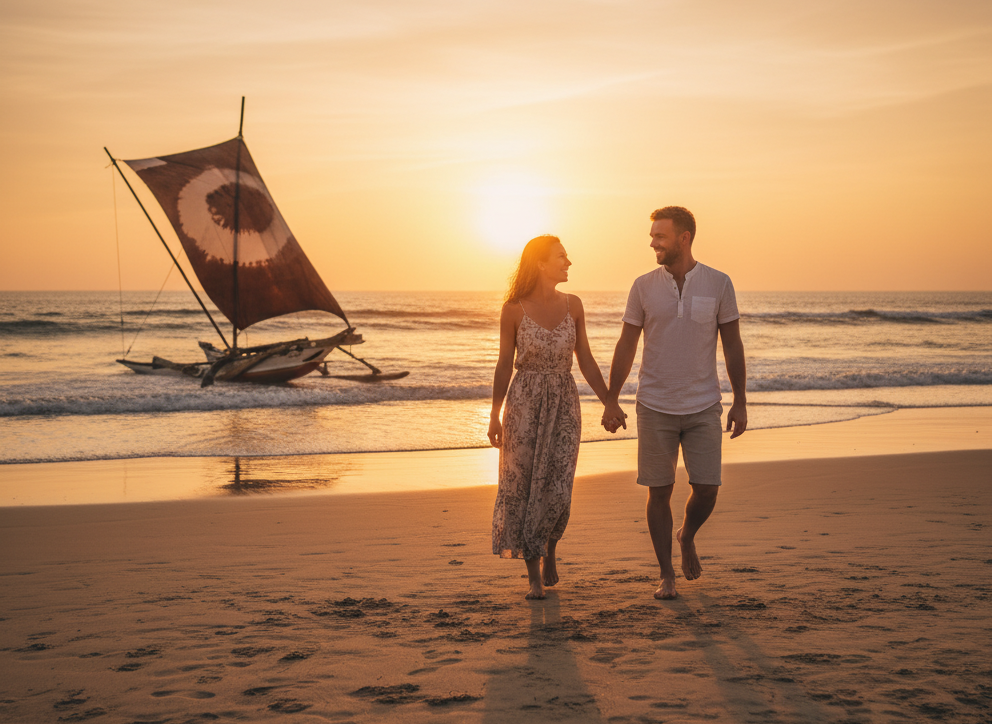
Negombo is a lively fishing town minutes from the international airport, making it a natural first or last stop on any Sri Lanka journey. Its Dutch-era canal recalls centuries of colonial trade, while the bustling fish market offers a raw slice of coastal life each morning. Long beaches and easy transit access round out its appeal.
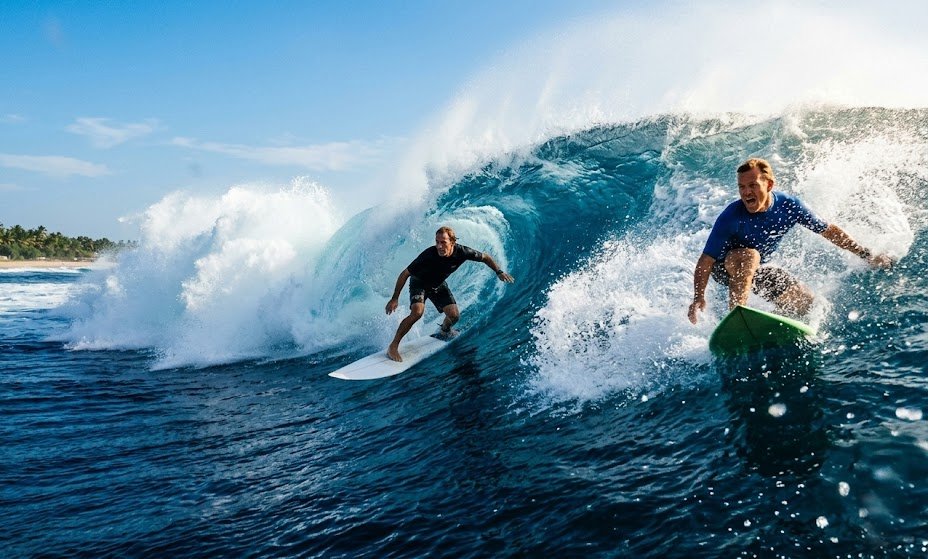
Arugam Bay is the island’s premier surf town, drawing wave-chasers worldwide to its string of legendary point and reef breaks. A relaxed backpacker energy fills the beachfront cafes and guesthouses, while nearby lagoons at Panama and Kumana teem with birdlife and crocodiles. It blends a serious wave-riding hub with a laid-back, sociable east-coast escape.
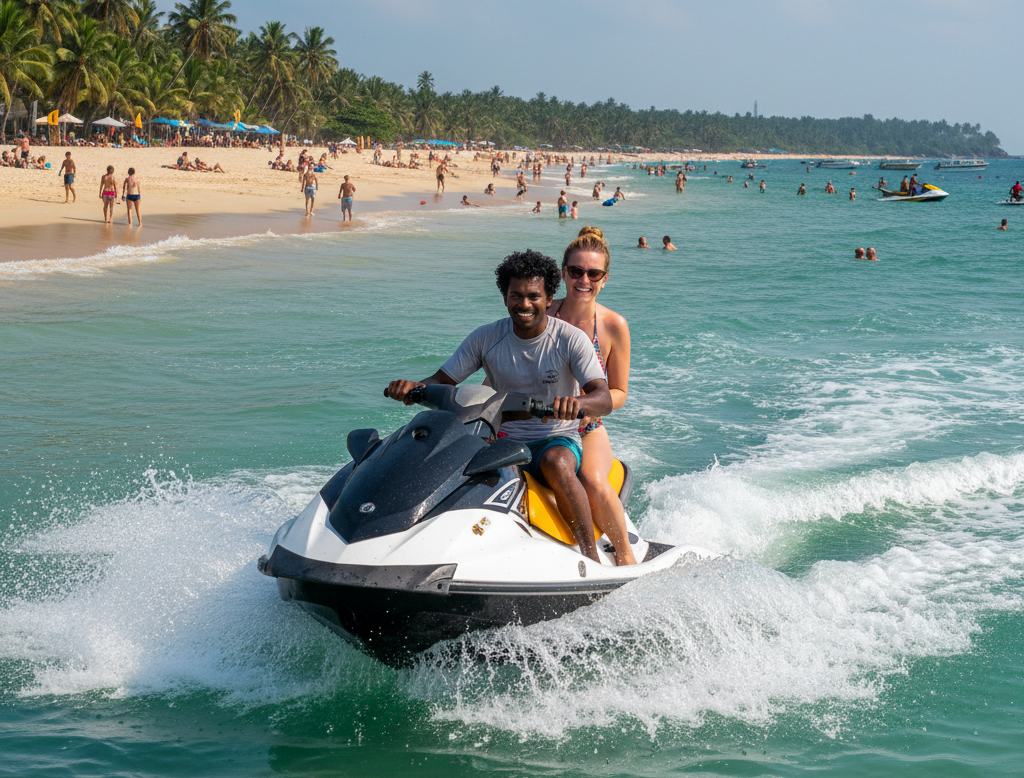
Bentota is a classic west-coast beach town where a wide golden shore meets the calm waters of a river estuary. Visitors glide along mangrove channels on river safaris, try jet-skiing and banana boat rides offshore, or visit a turtle hatchery nearby. Polished resorts and spa retreats give Bentota an easy rhythm, pairing comfort with gentle adventure.

Anuradhapura was Sri Lanka’s first great capital, flourishing over a thousand years as a hub of Buddhist learning. At its heart stands the Sri Maha Bodhi Tree, grown from a cutting of the tree under which the Buddha attained enlightenment, beside vast stupas among the oldest religious monuments on earth. Bicycles are the best way to cover the ruins.
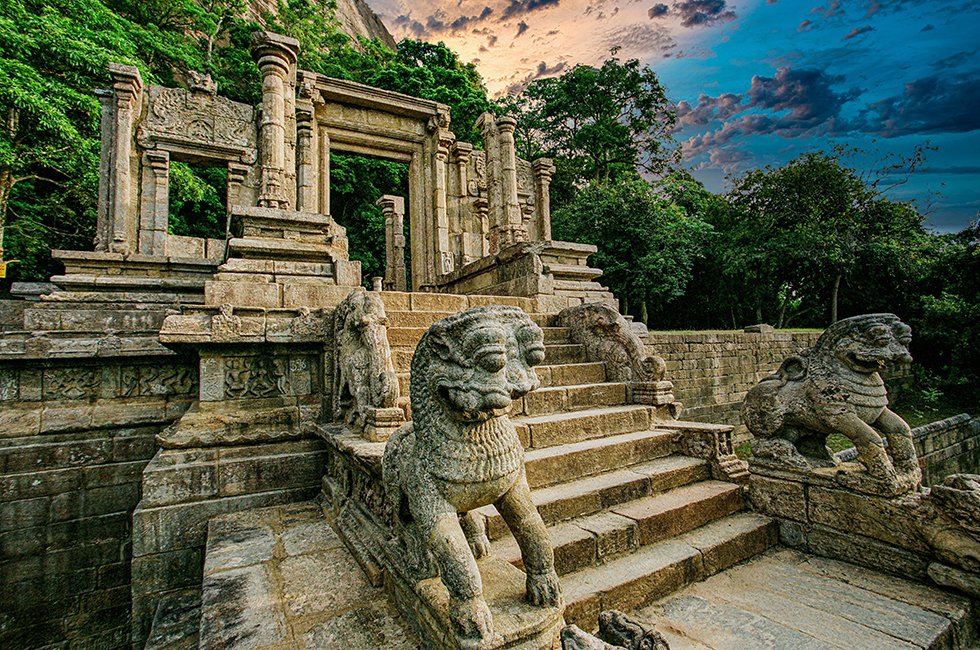
Yapahuwa is a dramatic rock fortress and short-lived thirteenth-century capital, built as a refuge when Sri Lanka’s rulers faced invasion from South India. A steep, ornamental stairway, flanked by lion carvings, leads up the rock face to the remains of a palace and shrine. Far quieter than Sigiriya, it rewards visitors with sweeping views and discovery.
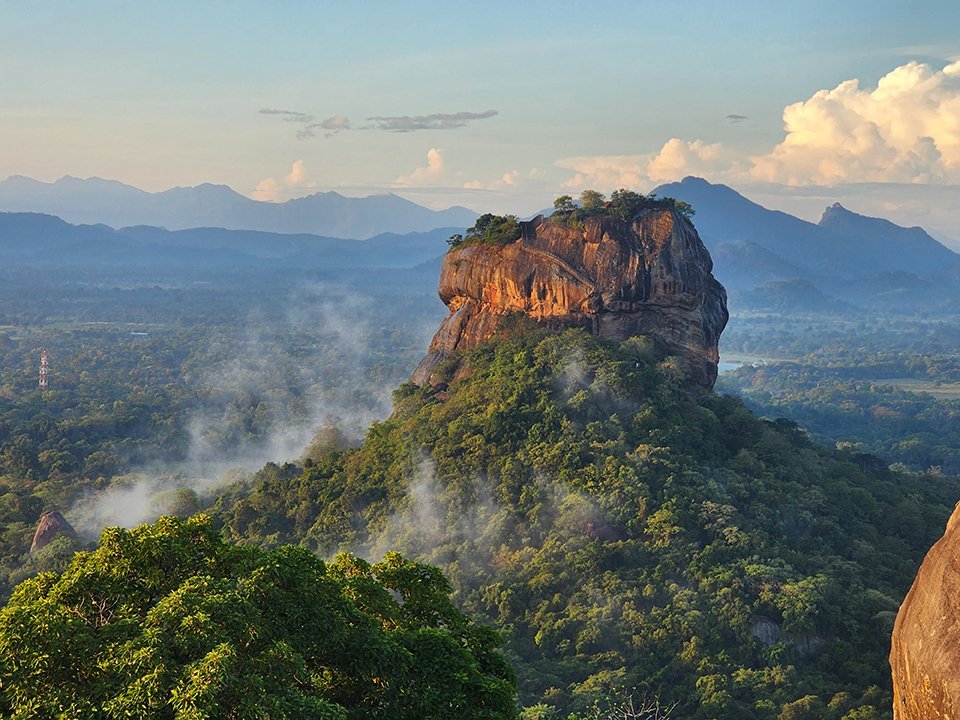
Sigiriya is the iconic rock fortress rising nearly 200 metres from the plains, crowned by fifth-century palace ruins at its summit. The climb passes vivid ancient frescoes of celestial maidens and the polished Mirror Wall, before reaching the Lion’s Paws gateway. Below, symmetrical water gardens reveal advanced engineering, making it one of Asia’s finest archaeological sites.

Polonnaruwa is Sri Lanka’s best-preserved medieval capital, its royal palace ruins and monastic complexes still standing among quiet parkland. Cycling between sites is the classic way to explore, passing council chambers, brick stupas and reservoirs engineered centuries ago. The highlight is Gal Vihara, where four colossal Buddha figures are carved from a single granite outcrop.
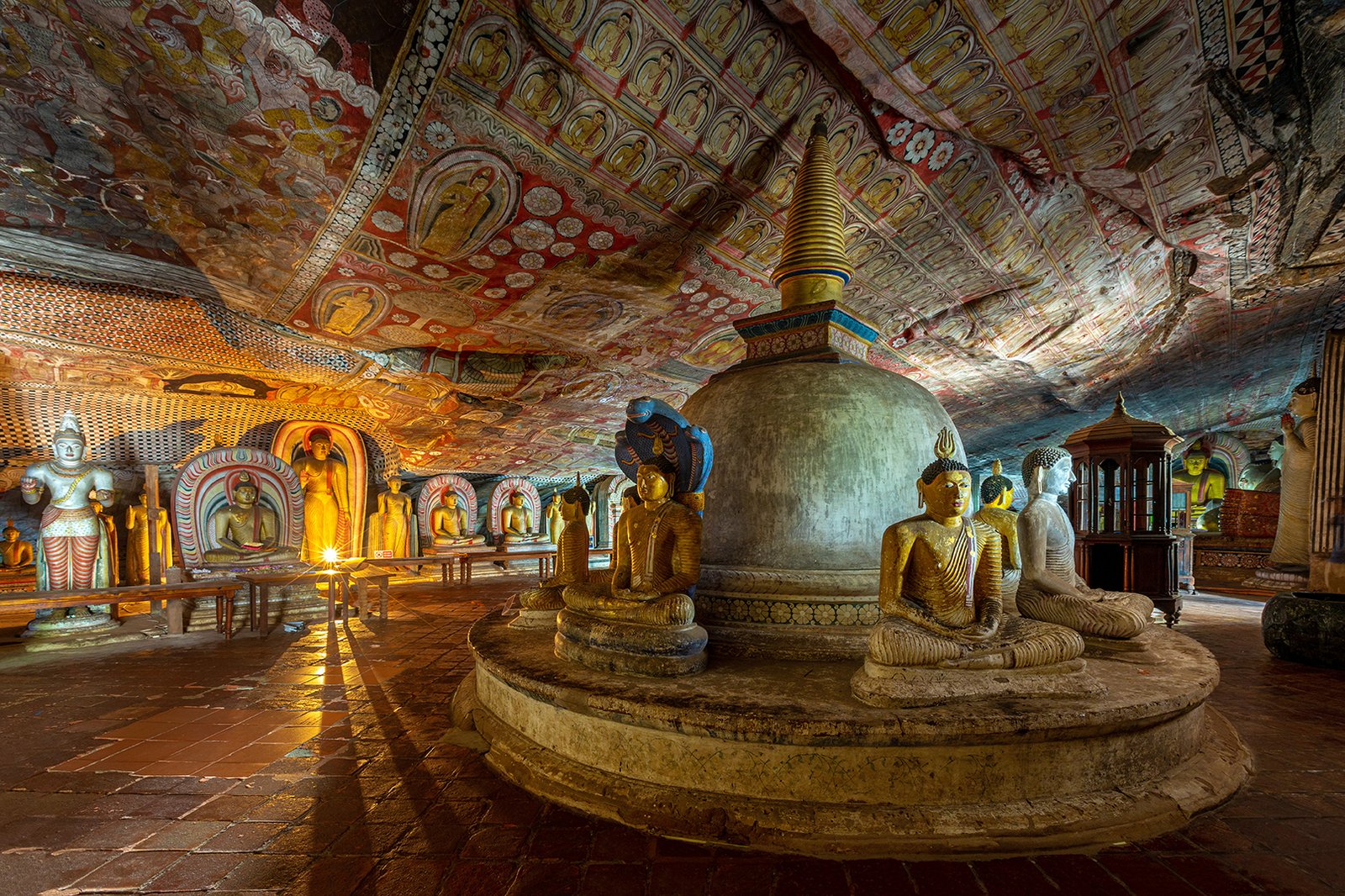
The Dambulla Cave Temple is a UNESCO-listed complex of five cave shrines carved into a granite outcrop, sheltering over two thousand years of Buddhist worship. Inside, painted ceilings depict the life of the Buddha in vivid detail, alongside more than one hundred statues of varying scale. It remains an active place of pilgrimage, not a museum piece.

Nuwara Eliya is Sri Lanka’s colonial-era hill station, nicknamed Little England for its Tudor-style cottages, manicured gardens and cool climate. Surrounding tea plantations produce some of the island’s finest high-grown tea, with estate visits and tastings widely available. Horse racing, golf and a quaint post office add old-world charm, making it a favourite highland escape.

Horton Plains is a highland plateau of open grassland and stunted cloud forest, protected for its rare montane ecosystem. A gentle circular trail leads walkers to the World’s End escarpment, where the land drops away nearly nine hundred metres, and on to the cascading Baker’s Falls. Early starts matter, since cloud rolls in by mid-morning.

Haputale is a quiet ridge-top town with sweeping views over tea country, offering the same highland scenery as its neighbours with far fewer crowds. Nearby Lipton’s Seat rewards an early climb with panoramic views once favoured by the tea magnate, while a working factory explains the leaf-to-cup process. Mist often rolls through the valleys, adding unhurried appeal.
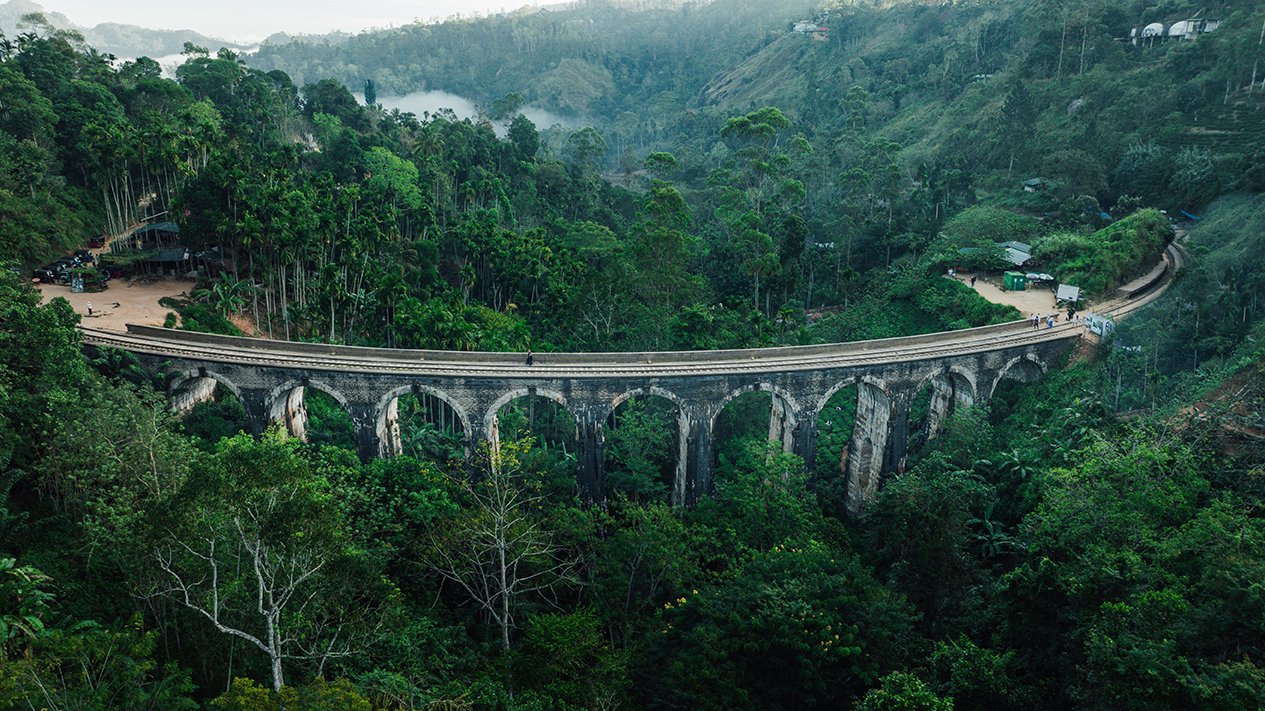
Ella is a laid-back hill town in tea country, known for the Nine Arch Bridge and the short climb up Little Adam’s Peak for valley views. One of the world’s most scenic train journeys threads through the hills, past terraced slopes and waterfalls. Cafes and hiking trails give the town a backpacker-friendly feel amid cool mountain air.
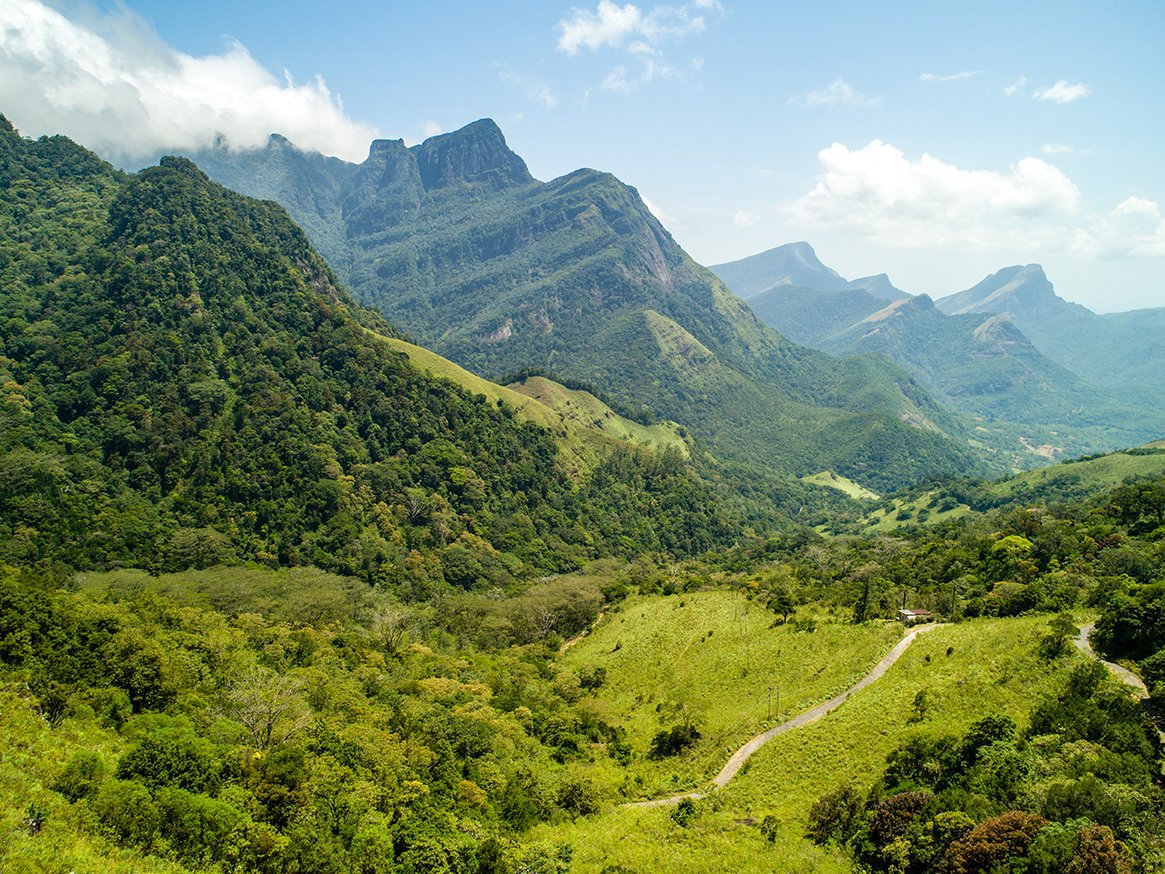
The Knuckles Mountain Range is a UNESCO-listed wilderness of cloud forest, waterfalls and remote farming villages, named for its jagged, knuckle-like peaks. Trekking routes wind through montane and dry-zone forest, home to endemic birds and rare orchids found nowhere else. Removed from Sri Lanka’s main tourist circuits, it offers some of the island’s most rewarding multi-day hiking.

Yala National Park is Sri Lanka’s most celebrated safari destination, holding one of the highest densities of leopards anywhere in the world. Elephants, sloth bears, crocodiles and abundant birdlife share its mix of scrub jungle, lagoons and rocky outcrops. Its fame means drives can draw crowds, though sightings remain consistently rewarding for first-time and seasoned safari-goers alike.
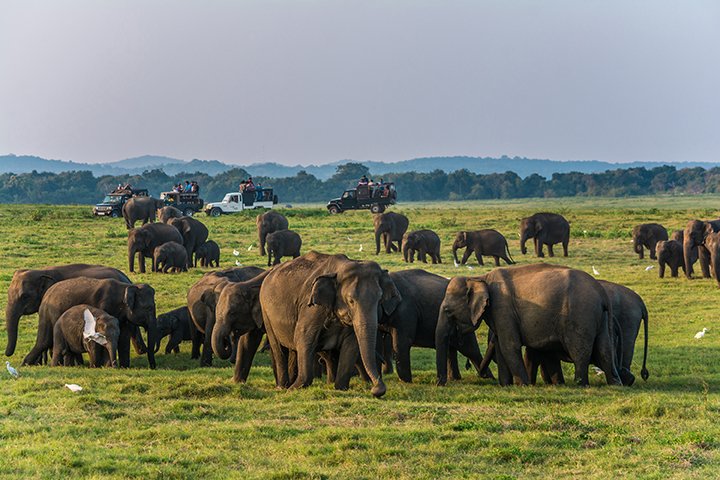
Minneriya is home to “The Gathering”, one of Asia’s greatest wildlife spectacles, as several hundred elephants converge around its ancient reservoir in the dry season. Herds wade into the shallows to drink and graze, often joined by younger elephants play-fighting in the water. Toque macaques and painted storks add activity, making it a premier dry-season safari stop.

Udawalawe is an open grassland reserve built around a large reservoir, offering some of the most reliable large-scale elephant sightings anywhere in Asia. Herds numbering in the dozens graze the open plains year-round, rewarding travellers on shorter safari schedules. A nearby elephant transit home cares for orphaned calves, adding a conservation dimension to the visit.

Wilpattu is Sri Lanka’s largest national park, marked by natural villu lakes through dense scrub forest and open plains. These shallow basins draw wildlife daily, supporting healthy populations of leopard, sloth bear and elephant alongside deer and crocodiles. Larger and quieter than Yala, it suits travellers wanting a wilderness safari, with fewer vehicles at each sighting.

Gal Oya National Park is a remote reserve best explored not by jeep but by boat, drifting the reservoir for wildlife along the shore. It is famous for elephants that swim between islands in search of grazing, a rare behaviour seen in few other parks. Visits often include time with indigenous Vedda communities, adding cultural depth.
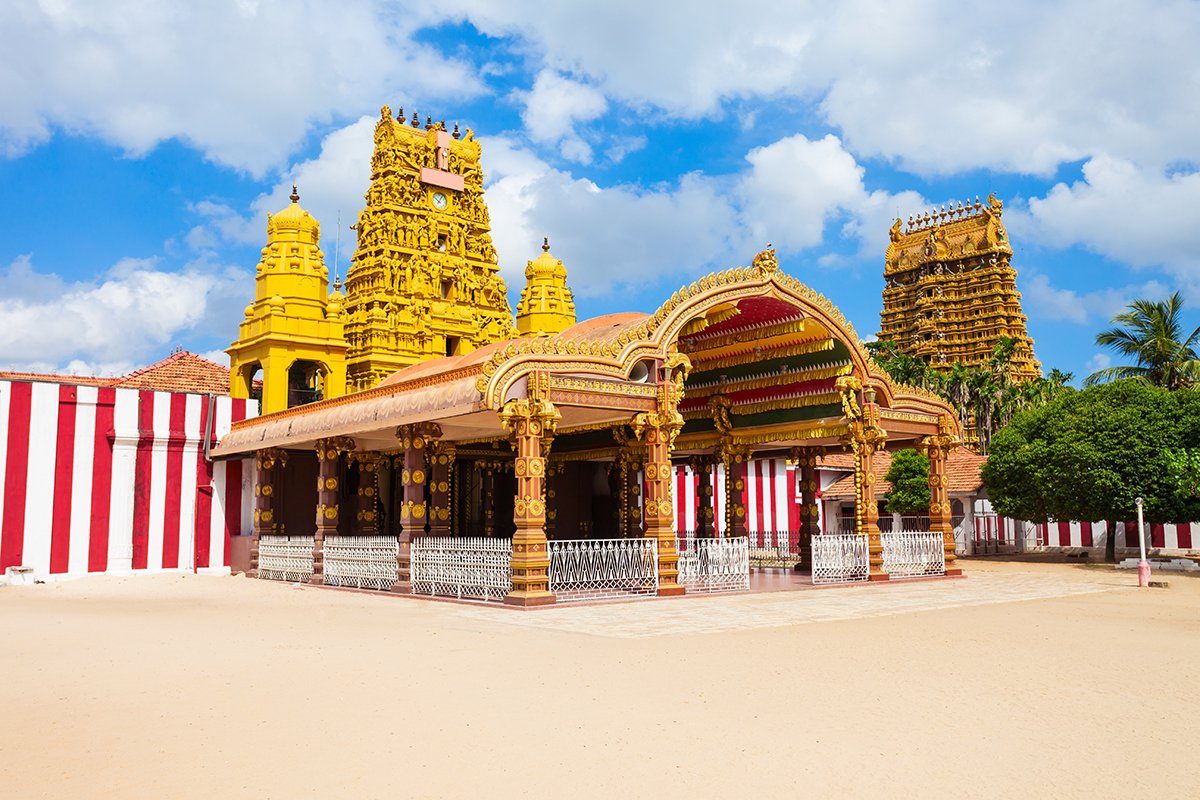
Jaffna is the cultural heart of Sri Lanka’s Tamil north, shaped by centuries of Hindu tradition, Dutch colonial rule and a distinct regional identity. Hindu temples such as Nallur Kandaswamy feature painted gopurams, while the star-shaped Jaffna Fort recalls its Dutch and Portuguese past. A distinctive cuisine, built on seafood and fiery spices, sets the peninsula’s food apart.
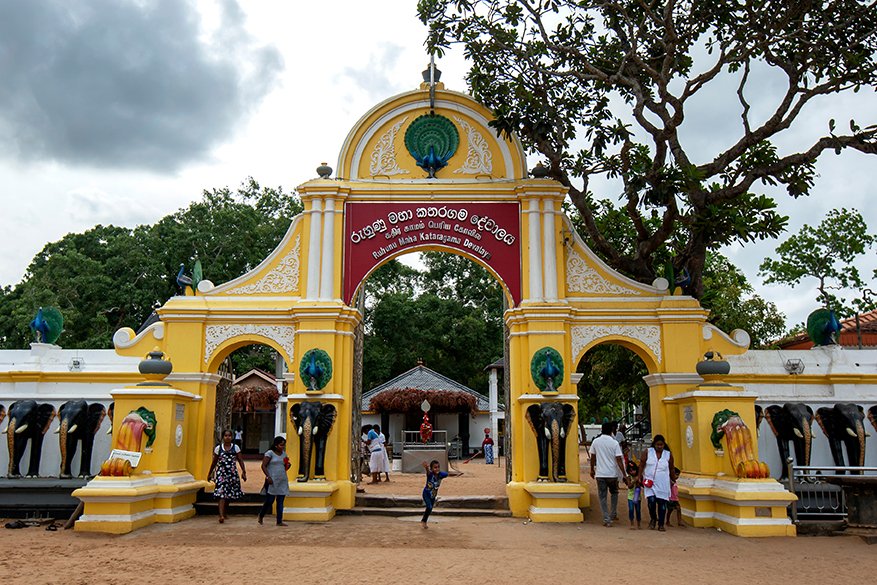
Kataragama is a multi-faith pilgrimage town sacred to Buddhists, Hindus and Muslims alike, centred on a shrine dedicated to the deity Kataragama Deviyo. Pilgrims arrive year-round to fulfil vows, though devotion peaks during the annual festival, when fire-walking, kavadi dances and processions fill the streets. Its shared sanctity makes it a rare symbol of religious harmony.
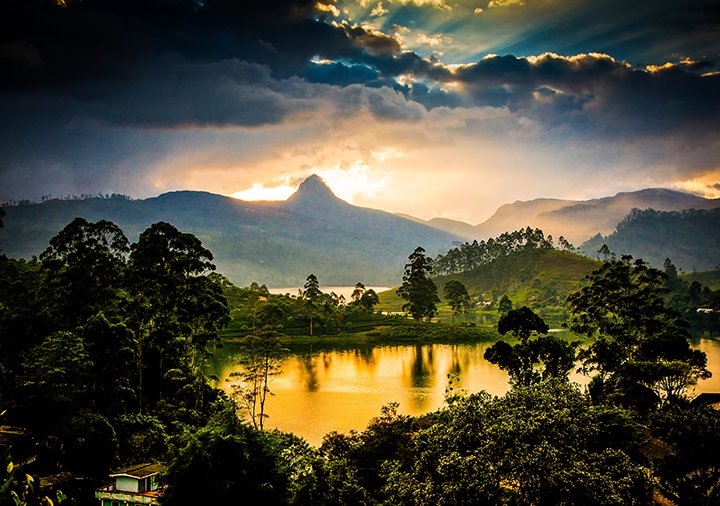
Adam’s Peak is a pilgrimage mountain climbed through the night by pilgrims of multiple faiths, each honouring a sacred footprint said to mark its summit. Thousands of steps, lit by lanterns in season, lead climbers upward in steady procession. Those reaching the top before dawn are rewarded with sunrise views and the mountain’s rare shadow across the clouds.
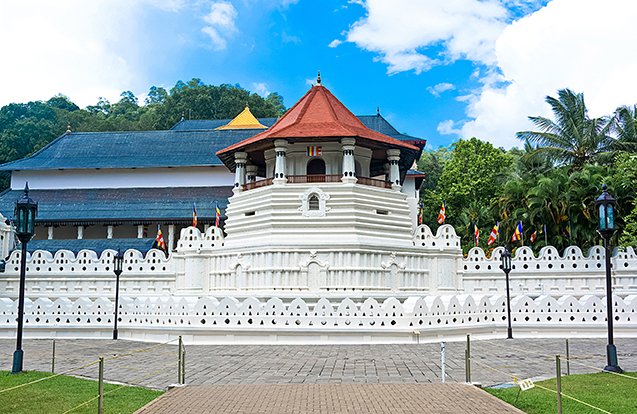
The Temple of the Tooth in Kandy is the island’s most revered Buddhist shrine, built to house a relic believed to be a tooth of the Buddha. Set beside Kandy Lake, it draws pilgrims for daily rituals of drumming, chanting and offerings. During the annual Esala Perahera, the relic is paraded through the streets in elaborate processions.
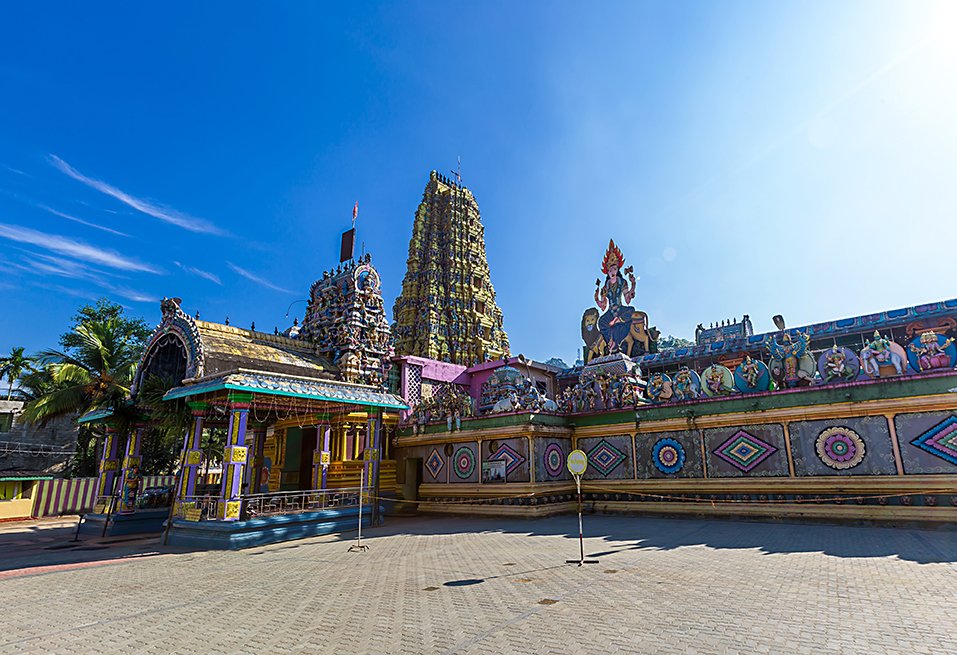
Koneswaram Temple is a dramatic Hindu shrine atop Swami Rock in Trincomalee, overlooking the Indian Ocean from one of the island’s most striking clifftop settings. Dedicated to Lord Shiva, it has drawn pilgrims for over a thousand years despite periods of destruction under colonial rule. Sunset views from its cliff edge rank among the finest on the coast.